Nanoparticles are a hot topic in agriculture due to their unique properties that come from their small size. During my PhD I studied how nanoparticles can influence soil health.
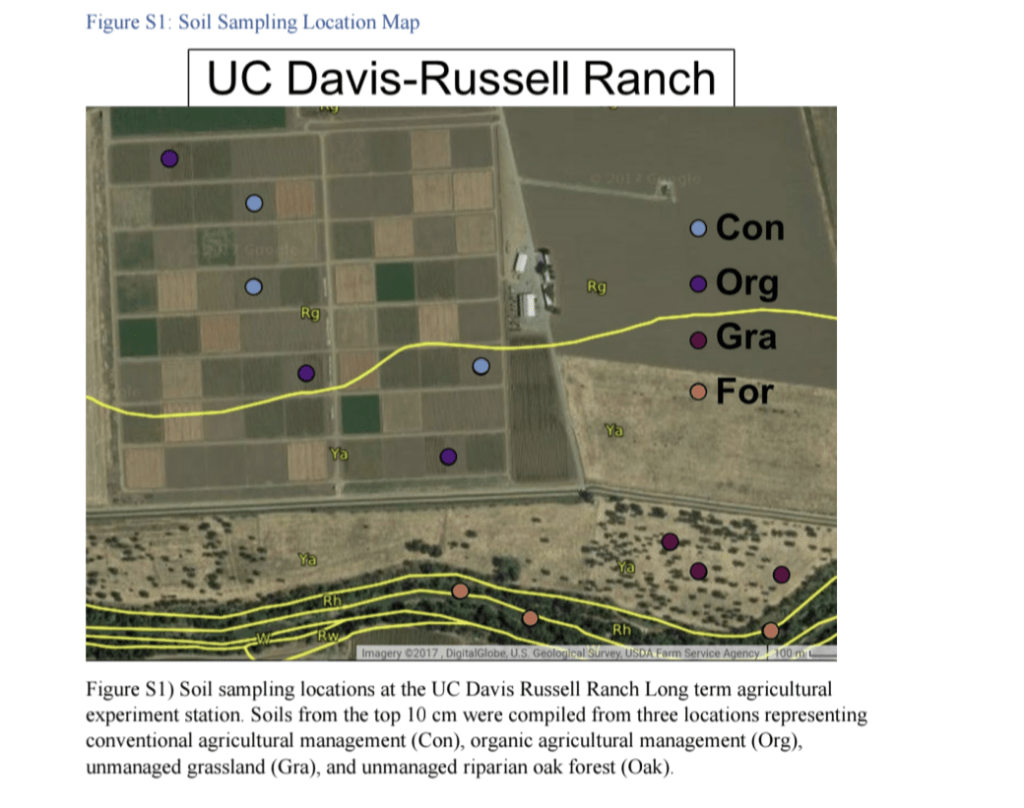
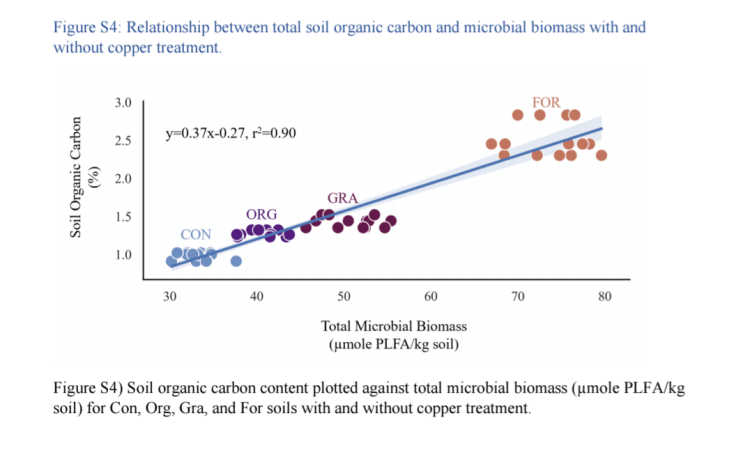
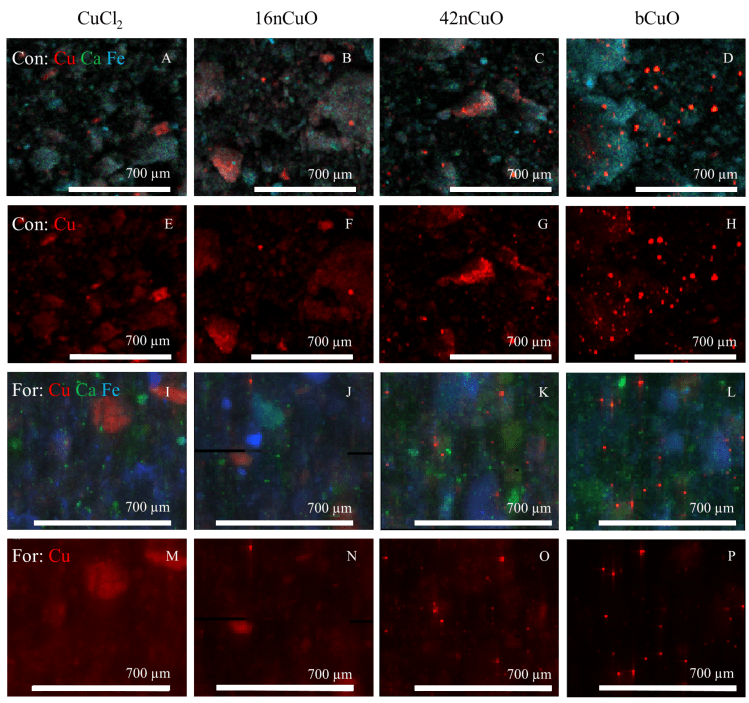
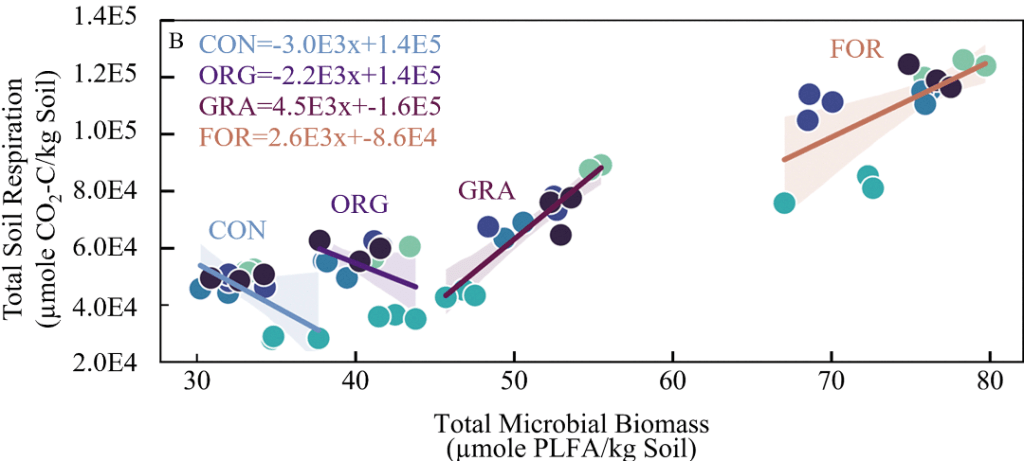
My collaborators and I found that despite similarities in nanoparticle fate in soil taken from agricultural and wild systems, their influence on microbial community size was land use dependent. Microbial communities in wild systems (grassland and forest) reacted differently than microbial communities in agricultural systems (conventional and organic). Specifically, in wild systems, microbial community size and respiration decreased with Cu exposure. In agricultural systems, community size was unaltered but respiration was impaired. The results of this study indicate that copper application in agricultural systems may impair nutrient cycling. However, CuO nanoparticles appear to influence microbial communities less than copper salts which are often used as fungicides in agriculture.
 Functional Soil Health